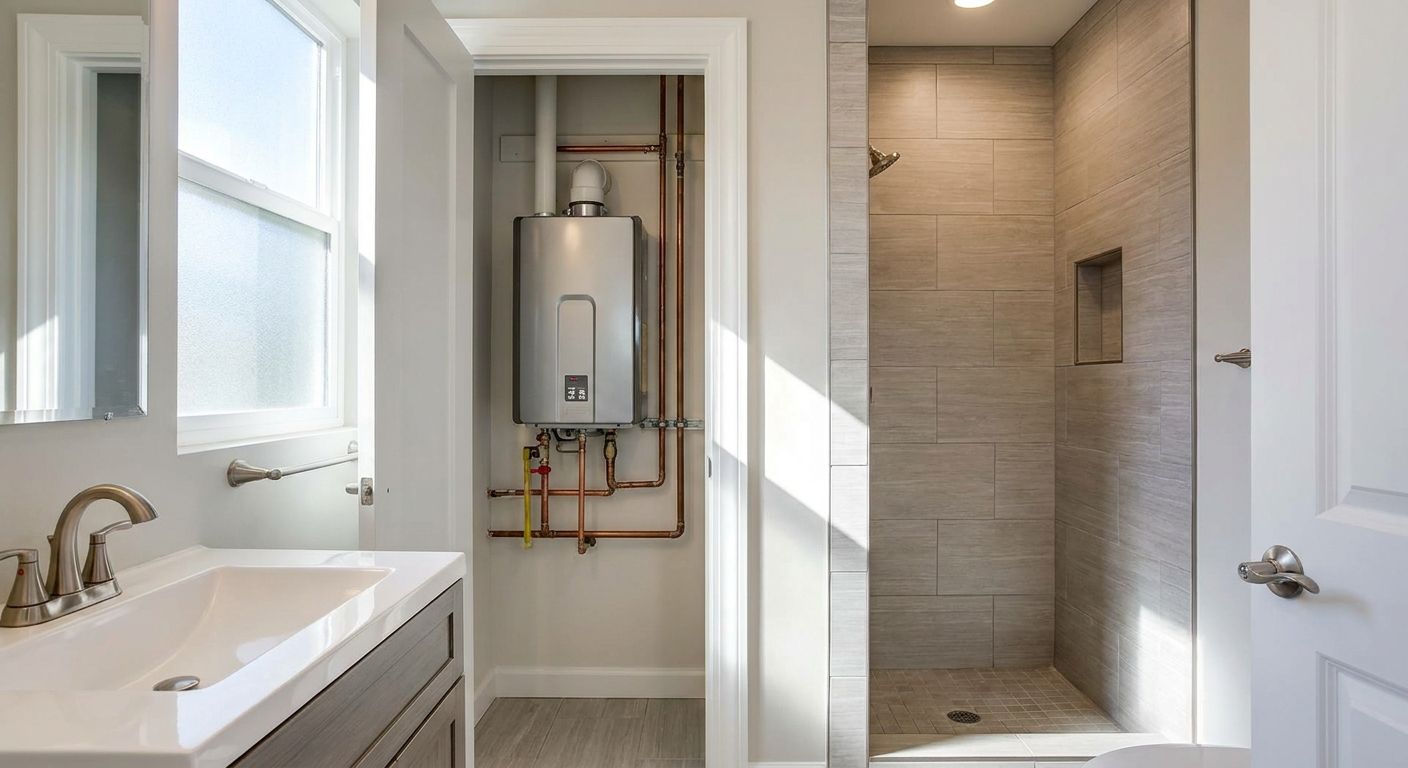
Ripping out a bathroom for a remodel is the one moment in a home's life when switching to a tankless water heater costs almost nothing extra — the wall is already open, the old 40-gallon tank is already disconnected, and the gas or electrical rough-in can move a foot in either direction without new drywall. Flores Precision Plumbing sizes and installs tankless units as part of Sacramento bathroom remodels every week, and the sizing mistakes are almost always the same three.
- Whole-house gas tankless at 199,000 BTU and 9-10 GPM is the safe pick for a full bathroom remodel or repipe — Buy.
- Electric point-of-use units (11-18 kW) work for a single ensuite far from the main line — Consider, not a whole-house fix.
- Undersized units are the #1 remodel complaint in 2026 — match GPM to fixture count, not to the old tank's gallon rating.
- Sacramento's hard water shortens descaling intervals; skip the flush schedule and warranty coverage weakens within 2-3 years.
- Tankless water heater bathroom remodel projects need a permit pull in almost every California jurisdiction — factor it into the timeline.
Why this matters
A tank swap during a remodel is a straight-line job. A tankless retrofit changes the gas line size, the venting path, and sometimes the electrical panel load — decisions that are cheap to make while the wall is open and expensive to fix after tile goes back up. Get the sizing wrong in 2026 and you're either running out of hot water mid-shower or paying for BTU capacity the bathroom will never use.
Who this is for
This guide is for homeowners mid-remodel or planning one, deciding whether to replace an aging tank with a tankless unit as part of the project. It applies whether you're updating one ensuite, adding a second full bath, or doing a whole-house repipe alongside the remodel. If you're just replacing a failed tank with another tank, skip ahead to the comparison between tankless and traditional water heaters — the calculus is different when walls aren't already open.
What to look for in a tankless unit for a bathroom remodel
Gas line and venting capacity
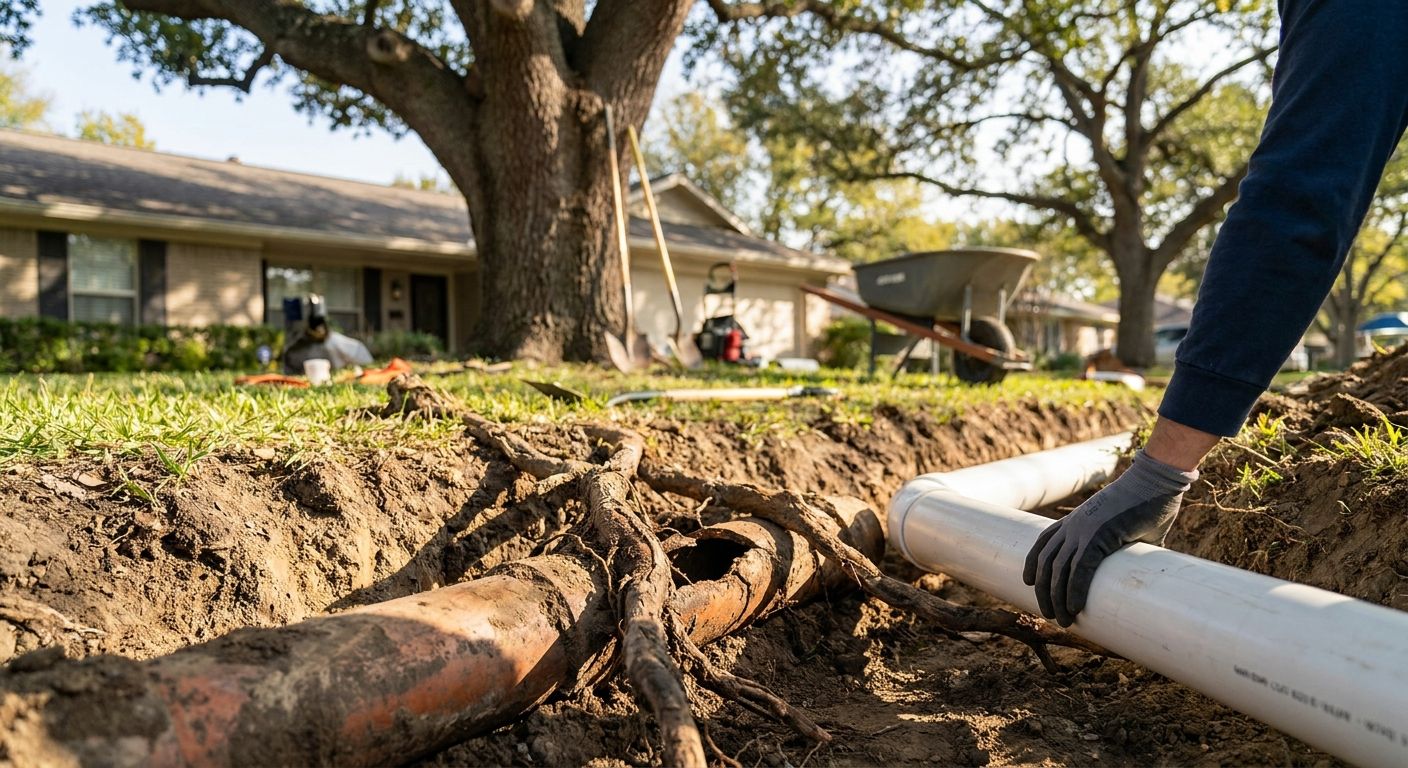
Most tankless units need a 3/4-inch gas line minimum and dedicated PVC or stainless venting, not the flex duct a tank used. If the remodel doesn't already touch the gas run, upsizing it after drywall is back up means cutting into finished walls again.
Flow rate matched to fixture count
A single bathroom with one shower and one sink needs roughly 3-4 GPM. Add a second full bath running simultaneously and you're at 6-7 GPM minimum — undersizing here is the single most common tankless water heater bathroom remodel complaint homeowners bring to a plumber in year one.
Point-of-use vs whole-house sizing
A remodel that adds a bathroom far from the main water heater — a converted garage suite, a detached ADU bath — often does better with a dedicated point-of-use unit than stretching the whole-house system's recirculation loop across the house.
Permit and code compliance
California requires a permit for water heater replacement in nearly every jurisdiction, and Sacramento is no exception. Gas tankless installs also trigger Title 24 energy compliance checks tied to venting and combustion air. Skipping the permit doesn't just risk a fine — it can void the manufacturer warranty entirely.
Recirculation and hot water wait time
A remodeled bathroom on the far end of the house from the water heater location will still have wait-time lag unless a recirculation pump or crossover valve is added during the same job. Fixing this after tile is set costs multiples of doing it during rough-in.
Maintenance access for descaling
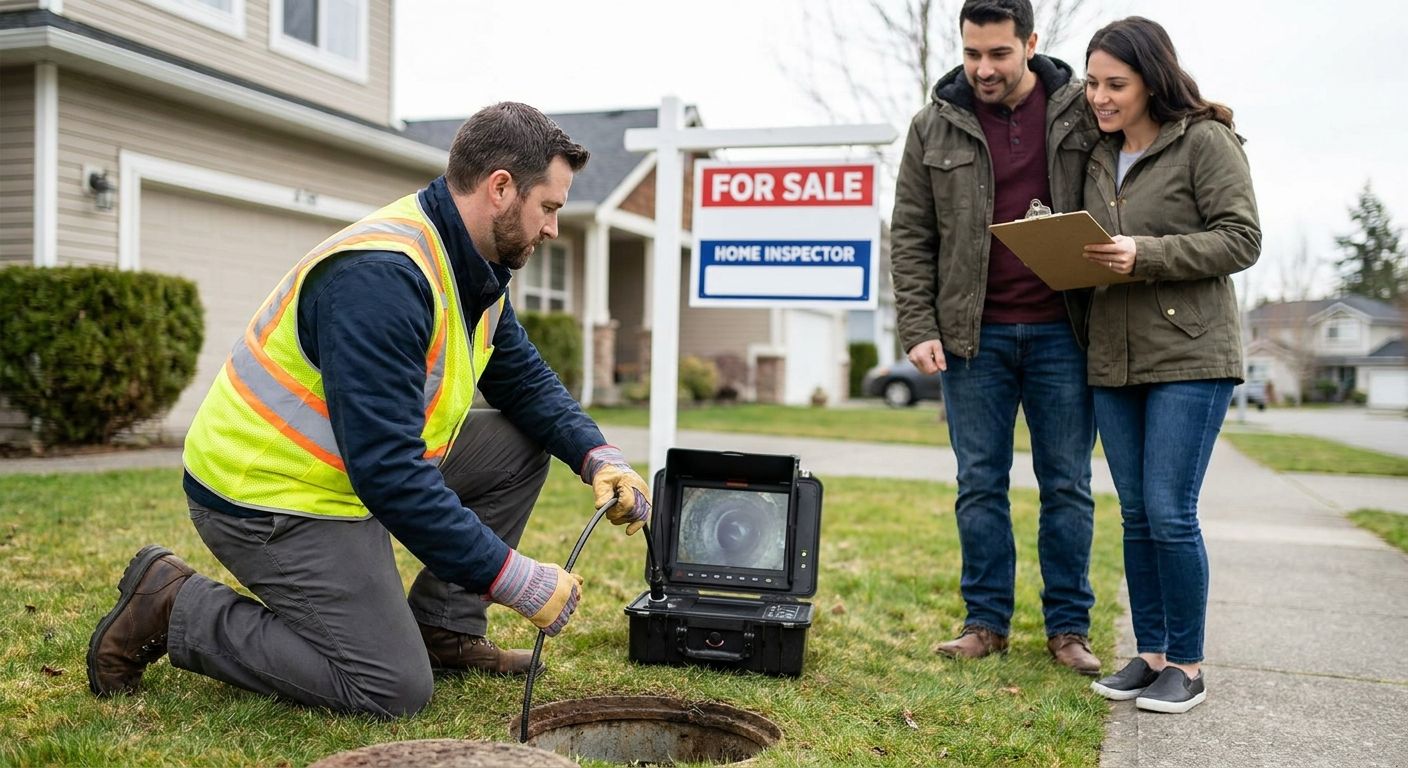
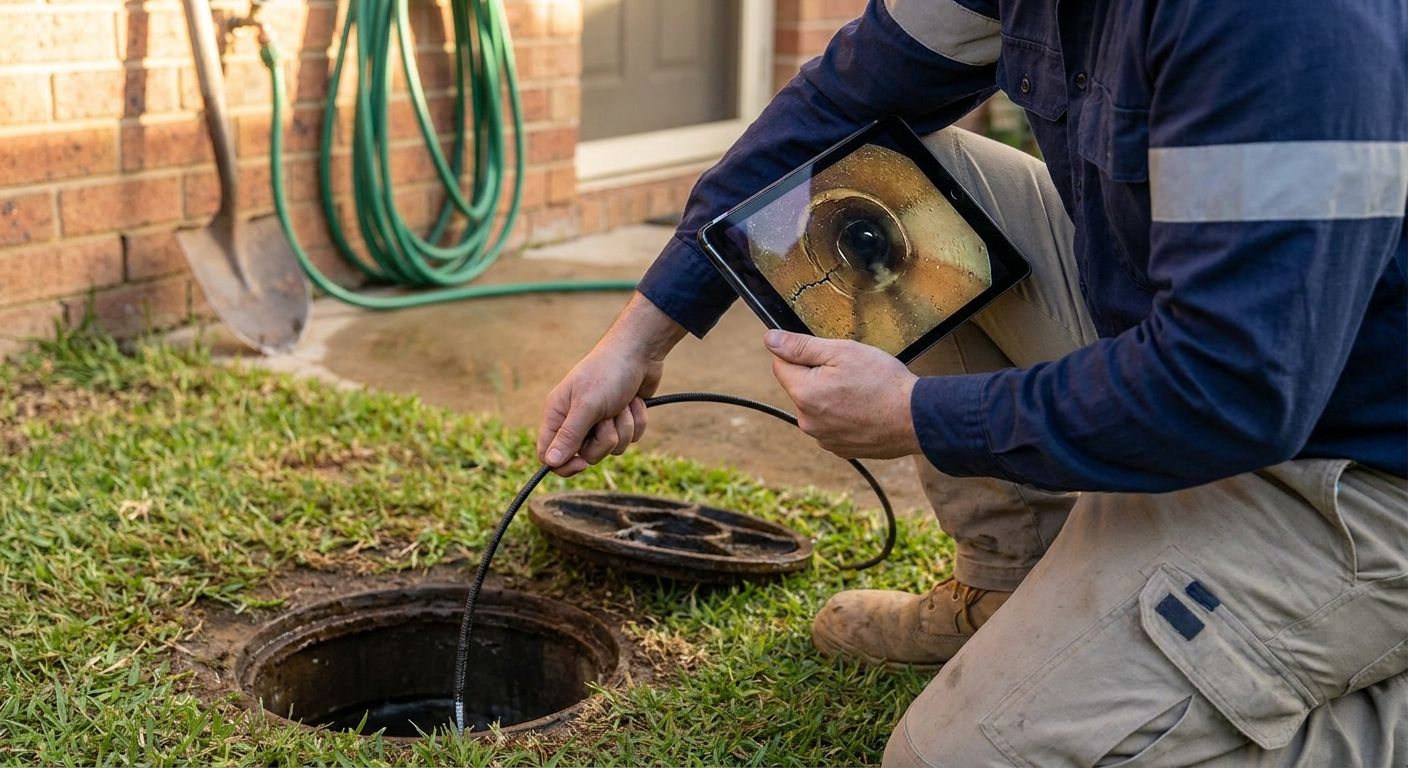
Sacramento's water hardness accelerates mineral buildup inside heat exchangers. A unit installed without isolation valves for flushing is a unit that gets skipped on maintenance — and skipped maintenance is what kills tankless units early. See the tankless flush walkthrough for what that maintenance actually involves.
Top picks for a bathroom remodel
The safe pick — whole-house condensing gas tankless. Rated around 199,000 BTU input and 9-10 GPM output, this is the default for a full bathroom remodel or a remodel paired with a whole-house repipe. Condensing models hit 0.90+ UEF efficiency and handle two bathrooms running at once without a temperature drop. Verdict: Buy for any remodel touching two or more bathrooms.
The single-bath pick — electric point-of-use tankless. An 11-18 kW electric unit mounted near a single remodeled bath, especially one far from the main water heater, eliminates the wait-time problem entirely without re-routing gas lines. It won't carry the rest of the house, so it's a supplement, not a replacement. Verdict: Consider for detached or far-flung bathroom additions.
The Sacramento-specific pick — a properly permitted whole-house unit sized for the home's total fixture count, not just the remodeled bathroom. Homeowners local to the area get sizing and permit handling built into the job through tankless water heater installation for Sacramento homeowners, which accounts for the region's water hardness and typical panel capacity in older housing stock. Verdict: Buy when the remodel is the trigger for a whole-house upgrade.
The wildcard — a hybrid heat pump water heater swapped in during the same remodel. It's not tankless and needs floor space a tank occupied, but it cuts operating cost more than a gas tankless in some Sacramento utility rate structures. It's a legitimate option, just not the one this guide is built around. Verdict: Skip unless a plumber has already confirmed the space and electrical capacity exist.
Get your remodel sizing checked
Confirm gas line, venting, and GPM needs before the walls close.
What to avoid
- A tank-for-tankless swap using the old gas line size. It looks like a straightforward replacement but undersized gas runs choke a tankless unit's BTU capacity and trigger nuisance shutoffs.
- Sizing to the old tank's gallon capacity instead of GPM demand. A 50-gallon tank and a 7 GPM tankless unit aren't the same math — GPM is about simultaneous fixture draw, not stored volume.
- Skipping the permit to save a week on the timeline. It's the single fastest way to lose warranty coverage on a unit that costs more upfront than the tank it replaced.
Verdict comparison
| Configuration | Best for | Flow rate | Verdict |
|---|---|---|---|
| Whole-house condensing gas | 2+ bathroom remodel or repipe | 9-10 GPM | Buy |
| Electric point-of-use | Single far-flung bath addition | 3-4 GPM | Consider |
| Hybrid heat pump | Utility cost priority, has floor space | Tank-based | Skip for remodel |
| Old-tank gas line reuse | Nothing — undersized by default | Varies, choked | Skip |
FAQ
Is a tankless water heater worth it during a bathroom remodel?
Yes, if the remodel already has walls open and the gas or electrical line needs to move anyway — the marginal cost of switching from tank to tankless is lowest at that point. Waiting until the tank fails later means paying for the same line work twice.
What size tankless water heater do I need for one remodeled bathroom?
A single bathroom with one shower and one sink needs roughly 3-4 GPM of flow capacity. Add a second bathroom running at the same time and the requirement rises to 6-7 GPM minimum, which usually pushes the choice to a whole-house unit.
Is tankless better than a traditional tank for a remodel?
Tankless wins on space savings and endless hot water for households running multiple fixtures at once, but it costs more upfront and needs venting and gas line work a tank doesn't. The comparison depends on household size and how many bathrooms run simultaneously.
Do I need a permit for a tankless water heater installation in Sacramento?
Yes, nearly every jurisdiction in California requires a permit for water heater installation, and gas tankless units also trigger a Title 24 compliance check on venting and combustion air. Skipping the permit can void the manufacturer warranty.
How often does a tankless water heater need to be flushed in a hard water area like Sacramento?
Hard water accelerates mineral scale buildup inside the heat exchanger, so annual flushing is the standard recommendation in hard water regions. Units installed without isolation valves for flushing tend to get skipped and fail earlier.
Can I use a point-of-use tankless heater for just one bathroom?
Yes, a point-of-use electric unit rated 11-18 kW works well for a single remodeled bathroom, especially one located far from the main water heater. It won't supply the rest of the house, so it's a supplement rather than a full replacement.
What's the biggest mistake homeowners make sizing tankless heaters for a remodel?
Sizing to the old tank's gallon capacity instead of calculating GPM demand from simultaneous fixture use. A 50-gallon tank and a properly sized tankless unit are not solving the same math problem.
One last thing
The warranty fine print on most tankless units ties coverage directly to documented annual maintenance in hard water regions — Sacramento qualifies. Skip the flush schedule for even two years and a manufacturer can deny a heat exchanger claim outright, which turns a maintenance shortcut into a full unit replacement a decade earlier than expected.