Buying a house with an aging sewer line is one of the few defects a home inspector's flashlight cannot catch — and it is the kind of surprise that turns a $450,000 purchase into a $450,000 purchase plus a $12,000 line replacement six months after closing.
- Sewer line camera inspection for home buyers costs roughly $250-$600 and should happen before your inspection contingency expires in 2026.
- Clay and Orangeburg pipe, common in Sacramento homes built before 1980, is the top red flag a camera finds.
- A bellied or root-intruded line is negotiable; a collapsed line is a walk-away or full-credit issue.
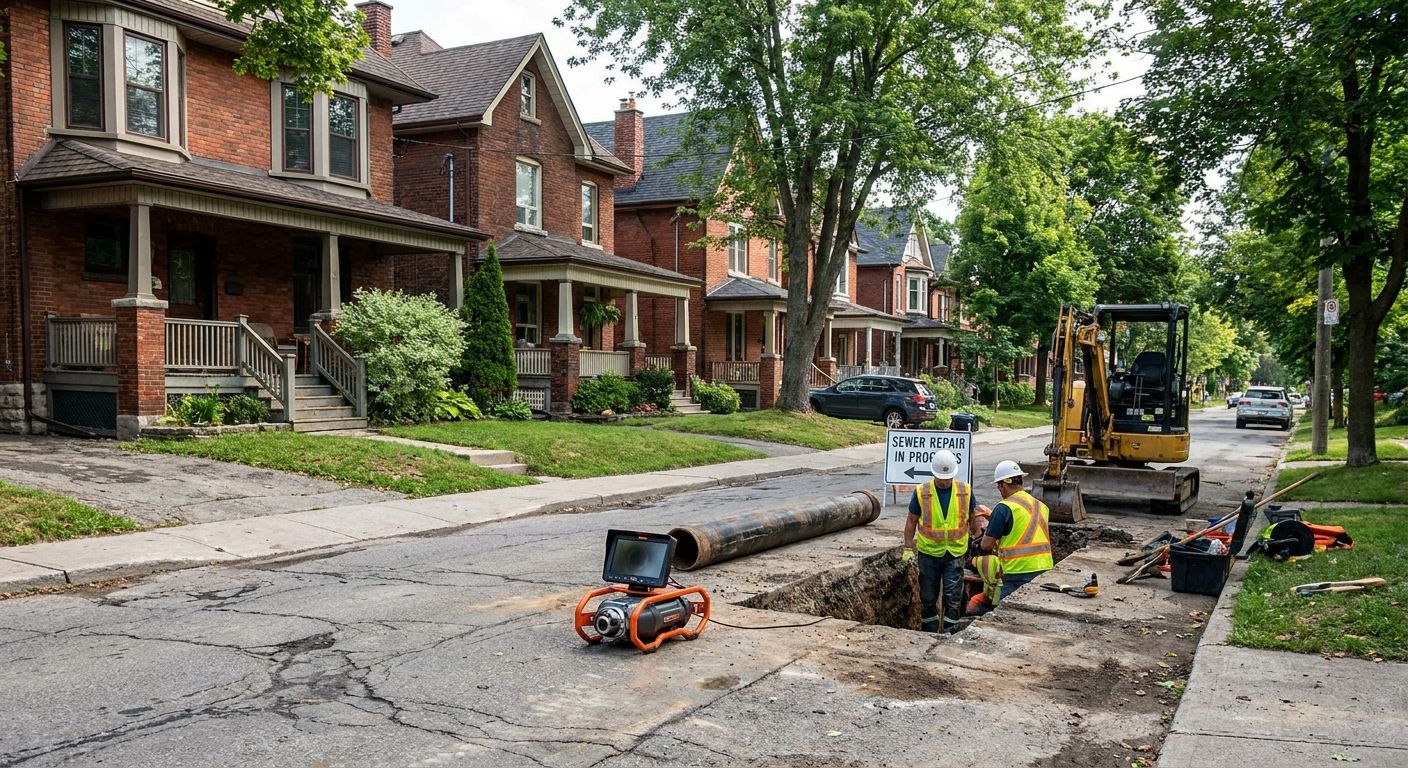
- Trenchless sewer repair methods can fix root intrusion and bellies without tearing up the yard.
Why this matters
A standard home inspection covers roofs, electrical panels, and HVAC — not the 4 to 6 inches of pipe running under the slab and out to the street. That pipe is invisible until it backs up, and by the time a toilet won't flush, you're the owner, not the buyer with leverage.
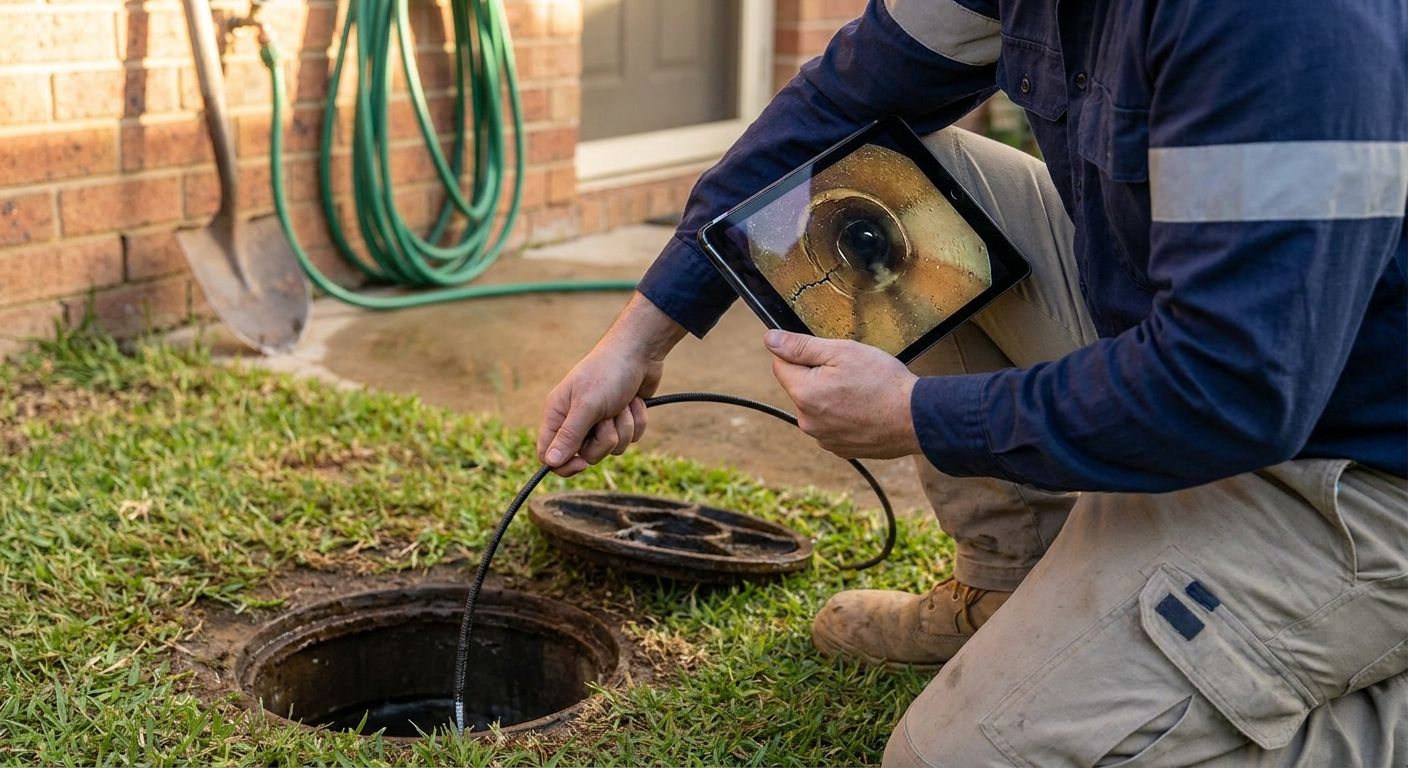
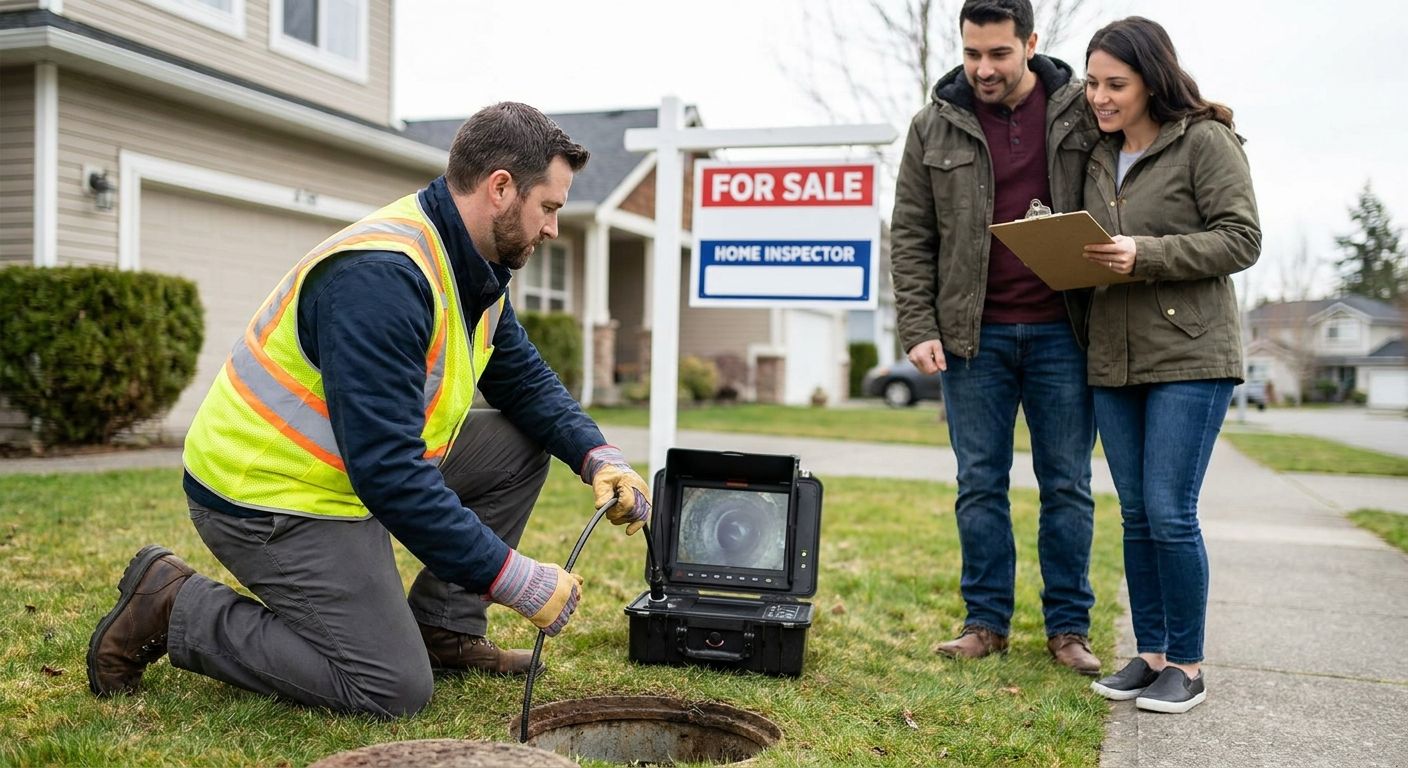
A sewer line camera inspection sends a fiber-optic camera through the cleanout and records the entire run in real time. For a home buyer in 2026, that footage is the difference between negotiating a $3,000 repair credit before closing and paying for an emergency excavation after you've moved the furniture in.
Who this is for
This guide is for buyers under contract on a home built before 2000, especially in Sacramento neighborhoods where clay, cast iron, or Orangeburg (tar-paper) pipe was standard practice. It's also for buyers of any age home where the seller's disclosure mentions past sewer backups, slow drains, or lush green patches in the yard that never seem to dry out. If your purchase agreement still has an active inspection contingency, this is the week to schedule the scope.
What to look for in a sewer line camera inspection
Pipe material and age
The camera operator should identify the pipe material on the recording — clay, cast iron, PVC, or Orangeburg. Homes built before 1980 in Sacramento frequently have clay or Orangeburg lines, both of which are past or near the end of typical service life by 2026.
Full-length footage, not a partial scope
A partial scope that only covers the first 20 feet misses problems near the street connection, which is often where root intrusion is worst. Ask for a full run from the house to the city main or septic tank, with time-stamped video.
Locate and depth reading
A proper inspection includes a locator that marks where the defect sits underground and how deep the pipe runs. That reading is what a repair contractor uses to quote trenchless versus open-cut work, so without it your repair estimate is a guess.
Written report with grading
Many municipal and industry standards grade sewer defects on a 1-to-5 scale (minor cracking to full collapse). A verbal "it looked okay" from the technician isn't something you can hand to a seller's agent during negotiation — get the grade in writing.
Timing against your contingency deadline
Sewer scopes take 30-45 minutes on site, but scheduling during a busy spring buying season can add a few days of lead time. Book it the same week your inspection contingency opens, not the day before it closes.
What the camera actually reveals
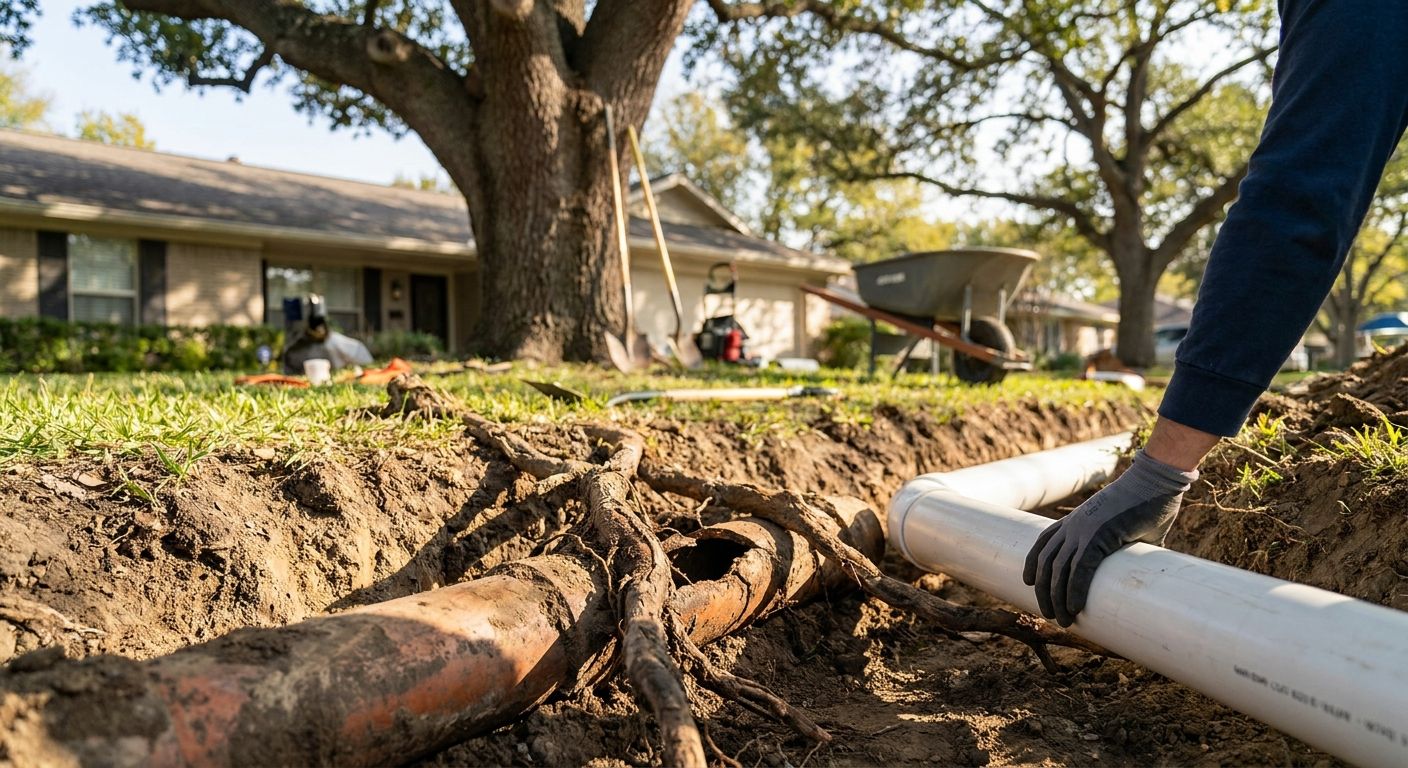
Root intrusion — the common one. Tree roots find pipe joints and hairline cracks and grow into the flow path, catching paper and grease until the line slows or blocks. This shows up in a large share of pre-1980 clay lines in mature Sacramento neighborhoods. Verdict: Consider — negotiate a repair credit or request the seller handle it via trenchless sewer repair methods before close.
Bellied pipe — the sneaky one. A belly is a low spot where the pipe has settled, letting waste pool instead of flowing downhill. It won't cause an immediate backup, but it collects solids over years and eventually clogs on a predictable schedule. Verdict: Consider — minor bellies can wait a season; anything deeper than an inch or two of standing water on camera needs a repair quote now.
Collapsed or crushed section — the dealbreaker. A fully collapsed line blocks flow entirely and usually means the pipe has to be excavated or replaced outright, not patched. If the report shows this, you're not negotiating a discount — you're negotiating who fixes it before you sign anything else. Verdict: Skip the purchase as-is, or require full repair and a re-scope as a closing condition.
Hairline cracks with no separation — the safe one. Cast iron and PVC lines sometimes show minor surface cracking with no offset, no root growth, and full flow. That's cosmetic wear, not a functional defect, and most sellers won't budge on price for it. Verdict: Buy — proceed and just note it for your own maintenance file.
Book a sewer scope before closing
Full-length camera inspection and written findings from a licensed Sacramento plumber.
What to avoid
- A "visual only" add-on from the general home inspector. Most general inspectors aren't licensed plumbers and won't run a camera — they'll just note "recommend further evaluation," which tells you nothing about the actual condition of the line.
- A verbal pass/fail with no video file. Insist on the recording itself. If a seller later disputes your repair credit request, the footage is your evidence.
- Skipping the scope because "the house is only 15 years old." PVC installed in the 2010s can still have belly settling from soil movement or improper grading, especially on newer Sacramento infill lots built on fill soil.
Verdict comparison
| Finding | Severity | Typical fix | Buyer verdict |
|---|---|---|---|
| Hairline cracks, no separation | Low | Monitor only | Buy |
| Root intrusion at joints | Moderate | Trenchless lining or bursting | Consider |
| Bellied section, minor pooling | Moderate | Spot excavation or reline | Consider |
| Full collapse or crushed pipe | Severe | Excavation and replacement | Skip |
For deeper property issues found on older lines, sewer line repair for older Sacramento homes breaks down what a full replacement actually involves once you own the house.
FAQ
What is a sewer line camera inspection for home buyers?
It's a video inspection where a plumber feeds a fiber-optic camera through the home's sewer cleanout to record the pipe's full condition before you close. It catches root intrusion, bellies, cracks, and collapses that a standard home inspection can't see.
How much does a sewer scope cost in 2026?
A sewer camera inspection typically runs $250-$600 depending on line length and access. That cost is minor compared to a surprise sewer replacement after closing.
How long does a sewer camera inspection take?
Most residential scopes take 30-45 minutes on site. Scheduling can take a few extra days during busy spring and summer buying seasons, so book it as soon as your inspection contingency opens.
Is a sewer scope necessary for a newer home?
Yes, if the lot has fill soil or the home is on a slab where pipe settling is common. Age reduces risk but doesn't eliminate it, especially for homes built on newer Sacramento infill sites.
Can I use sewer scope findings to renegotiate the purchase price?
Yes. A written report showing root intrusion, a belly, or a collapse gives you documented leverage to request a repair credit or ask the seller to fix the line before closing in 2026.
What pipe material is most concerning in Sacramento homes?
Clay and Orangeburg pipe, common in homes built before 1980, are the most likely to show root intrusion and structural failure on camera. Cast iron and PVC generally hold up longer.
Does trenchless repair work for every sewer line problem?
No. Trenchless methods fix root intrusion and moderate bellies well, but a fully collapsed section usually needs excavation. A camera inspection tells you which category you're in before you commit to a fix.
Who should I hire for a sewer camera inspection?
Use a licensed plumbing contractor rather than a general inspector, since plumbers can quote and perform the repair if the scope finds a problem. Ask for the full video file and a written grade, not just a verbal summary.
One last thing
The green patch of grass that looks healthiest in your future backyard is often the tell — it's frequently sitting right over the section of pipe leaking the most nutrients into the soil. Walk the yard before the inspector arrives and point out any unusually lush or soggy spots; it can shave real time off locating the problem on camera.