Sewer line failure doesn't always mean a torn-up yard anymore. Trenchless sewer repair fixes cracked, root-invaded, or collapsed sewer lines through one or two small access points instead of a full trench, and in 2026 it's the default recommendation for most Sacramento homes with mature landscaping or hardscape over the line.
- CIPP lining is the best trenchless sewer repair for homeowners keeping their existing pipe route intact in 2026 -- buy it.
- Pipe bursting wins when the old line is too damaged or undersized to reline, replacing pipe in place with minimal digging.
- Slip lining works as a lower-cost fix for straight runs but shrinks interior pipe diameter -- consider it, don't default to it.
- Spot repair is the right call for a single localized break, not a whole-line fix -- skip it if damage runs longer than 10 feet.
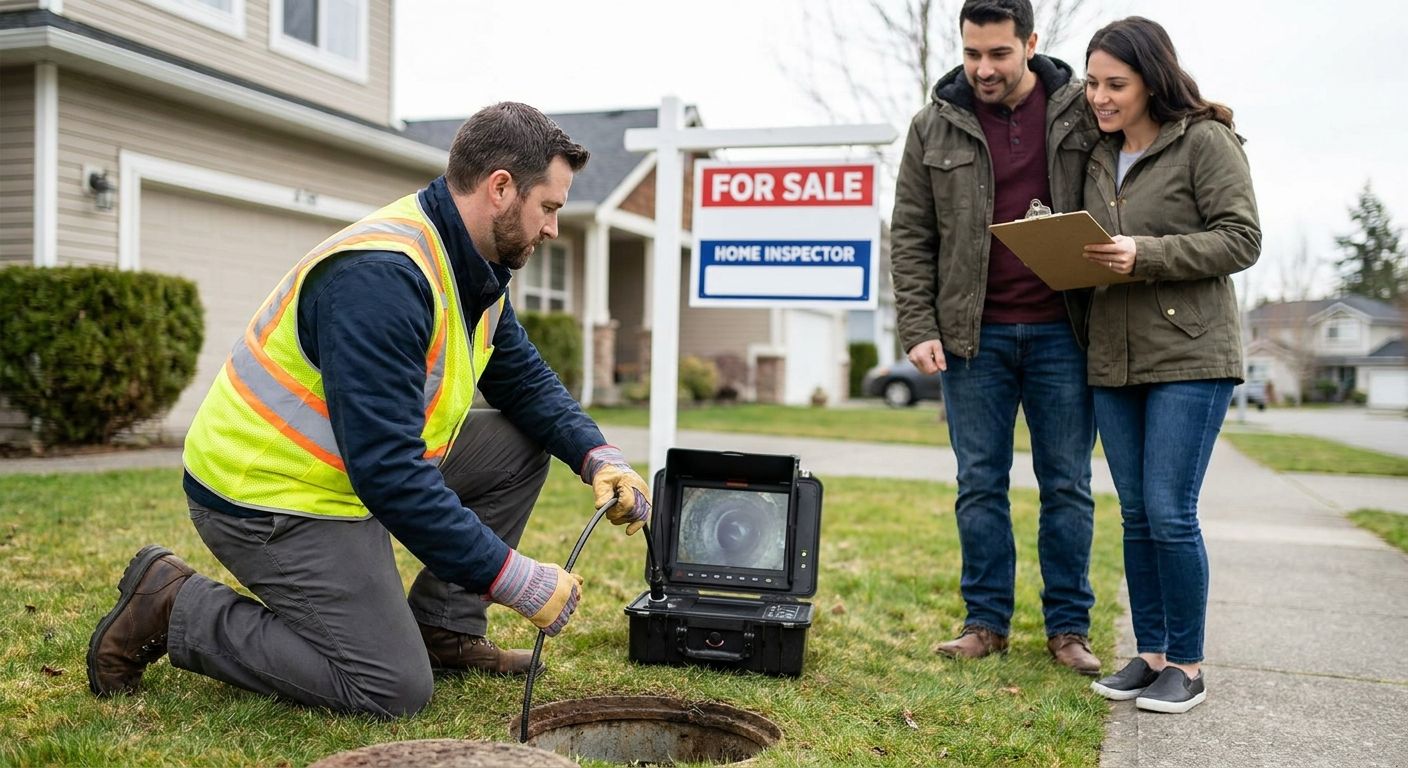
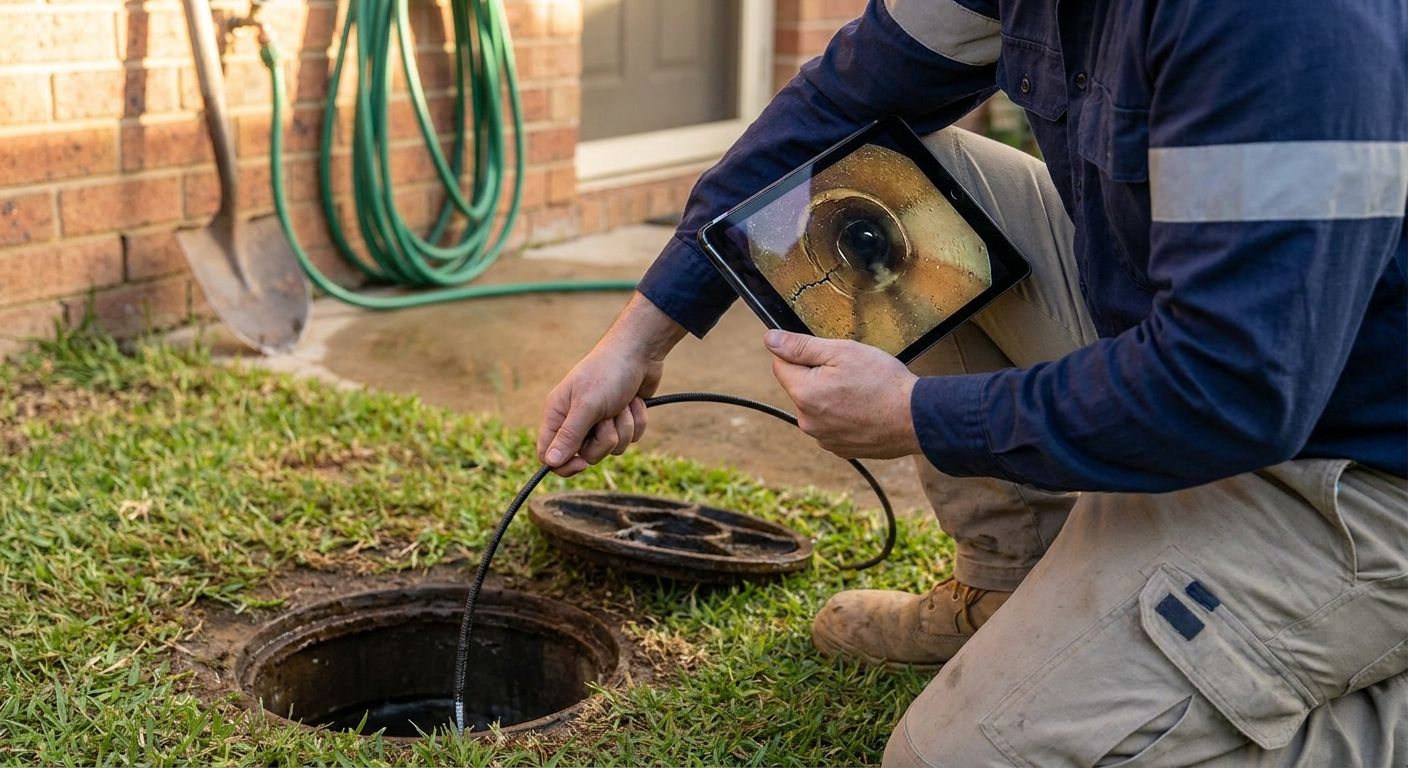
- A camera inspection before any bid is non-negotiable; skip contractors who quote trenchless sewer repair without one.
Why this matters
A traditional dig-and-replace sewer job means trenching across a yard, driveway, or slab, then patching all of it back afterward. Trenchless methods route a new pipe or liner through the existing line from one or two small pits, which cuts the surface damage down to almost nothing.
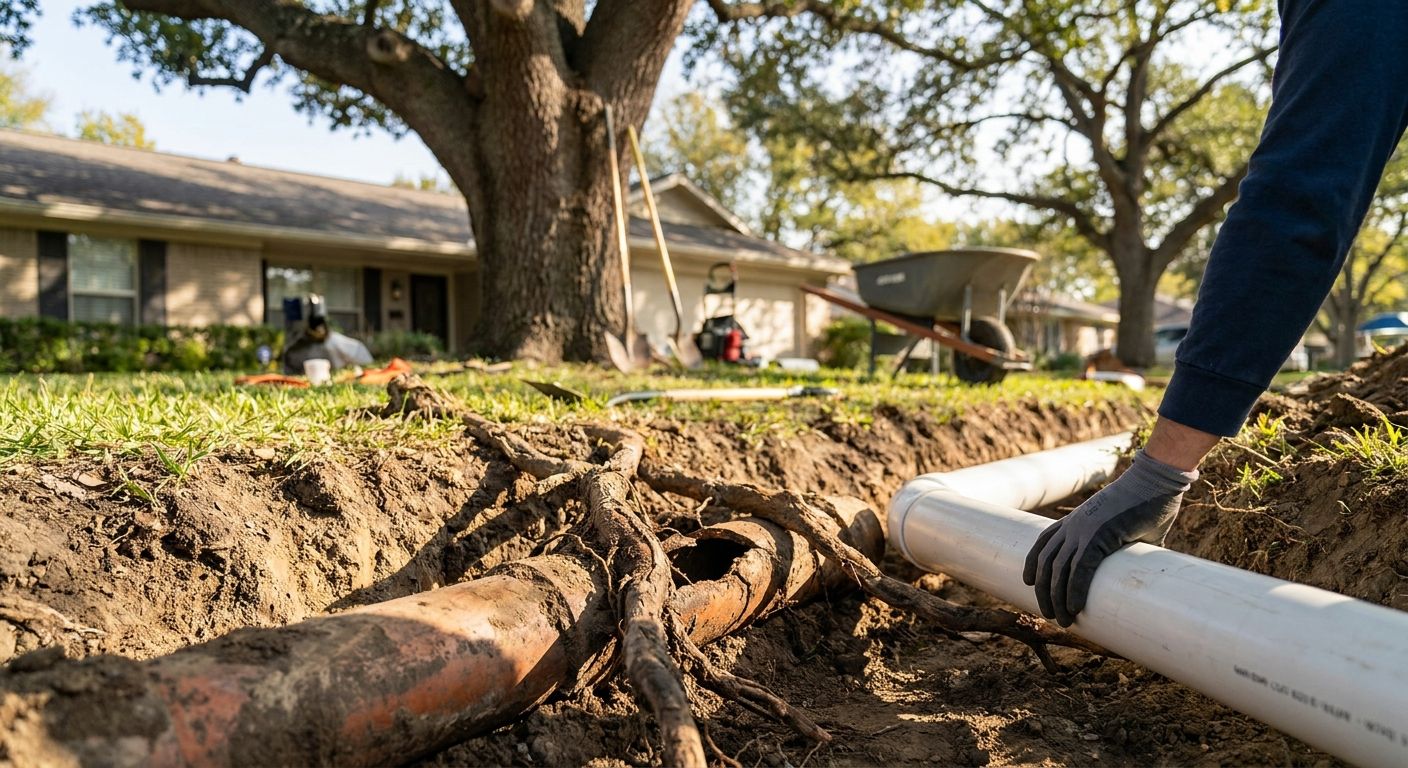
For Sacramento homeowners with mature trees, this matters twice over. Root intrusion is the single biggest cause of sewer line failure in older neighborhoods, and the fix that survives root pressure long-term is not the same fix that's cheapest up front. Picking the wrong trenchless method for the damage you actually have is how homeowners end up paying for a repair twice.
How this list was ranked
Each method below is ranked on four factors that actually change the outcome for a homeowner: how it handles root intrusion and structural damage, how long the fix lasts, how much of the property gets disturbed, and how it holds up against the pipe conditions common in Sacramento's older housing stock -- clay and cast iron lines from builds before the 1980s alongside newer PVC. Cost is noted where the range is consistent enough to be useful, but it moves with pipe length, depth, and access.
The ranked list
1. CIPP (Cured-in-Place Pipe) Lining -- the workhorse pick
CIPP lining pulls a resin-saturated felt tube into the damaged pipe, then cures it in place with heat, UV light, or ambient air to form a jointless new pipe inside the old one. Manufacturers commonly rate finished CIPP liners for 50 years of service life, and most single-access residential jobs finish in one day.
This is the method that handles root-cracked clay and hairline-fractured cast iron without opening the yard. It doesn't work on a line that's collapsed or missing sections, since there's no host pipe left to line.
Verdict: Buy -- the right first call for any Sacramento sewer line with intact structure but cracking, root intrusion, or minor offset joints.
2. Pipe Bursting -- the full-replacement pick
Pipe bursting drags a bursting head through the old pipe, shattering it outward while simultaneously pulling a new HDPE pipe into the same path. Unlike lining, this actually replaces the pipe rather than coating the inside of the old one, and it can even upsize the diameter in the same pass.
That makes it the answer when a line has collapsed sections, severe belly (sag), or damage too extensive for a liner to bridge. It needs two access pits instead of one and slightly more excavation at each end than CIPP.
Verdict: Buy -- when a camera inspection shows structural collapse or the pipe is undersized for current fixture load.
3. Slip Lining -- the budget-conscious pick
Slip lining pushes a smaller-diameter pipe (usually PVC or HDPE) directly into the old sewer line without curing resin in place, then grouts the annular gap. It's one of the older trenchless techniques and generally costs less than CIPP per foot.
The tradeoff is real: the new pipe is narrower than the original, which can matter on lines already running close to capacity. It also needs a relatively straight run -- tight bends make it a poor fit.
Verdict: Consider -- fine for long, straight runs with generous existing diameter; skip it on lines already undersized or full of bends.
4. Pull-in-Place Lining -- the tight-access pick
This is a CIPP variant built for lines with multiple bends or offset joints that a standard pull-through liner can't navigate cleanly. The liner is inverted through the access point rather than pulled straight through, letting it conform to turns.
It's a narrower-use tool than standard CIPP, and not every trenchless contractor stocks the equipment for it. When a Sacramento home's sewer line has a 90-degree turn under a patio, this is often the only trenchless option that still avoids breaking concrete.
Verdict: Consider -- ask specifically whether a bid includes this capability if a camera inspection shows sharp bends.
5. Spot Repair (Point Lining) -- the surgical pick
Spot repair applies a short CIPP-style patch, typically under 10 feet, to a single localized defect instead of relining or replacing the entire run. It's the fastest and cheapest trenchless fix when the rest of the line inspects clean.
The catch: it only solves the section that's damaged. If a camera inspection shows scattered root intrusion at multiple points along an older clay line, a spot repair addresses one symptom and leaves the rest of the line on the same failure timeline.
Verdict: Buy for an isolated defect; Skip it as a whole-line strategy if inspection shows damage in more than one spot.
Comparison table
| Method | Best for | Typical lifespan | Property disruption | Verdict |
|---|---|---|---|---|
| CIPP lining | Cracked/root-damaged intact pipe | ~50 years | Minimal, 1 access pit | Buy |
| Pipe bursting | Collapsed or undersized lines | Comparable to new pipe | Moderate, 2 access pits | Buy |
| Slip lining | Long straight runs, budget jobs | Long-term, diameter-reduced | Minimal, 1-2 access pits | Consider |
| Pull-in-place lining | Lines with bends/offsets | ~50 years | Minimal, 1 access pit | Consider |
| Spot repair | Single localized defect | Matches CIPP for that section | Minimal, tiny excavation | Buy for isolated damage |
How to choose a trenchless sewer contractor
- Demand the camera inspection before the quote, not after. A bid written without seeing the actual pipe condition is a guess, and the method that fixes a collapsed line is not the one that fixes a hairline crack.
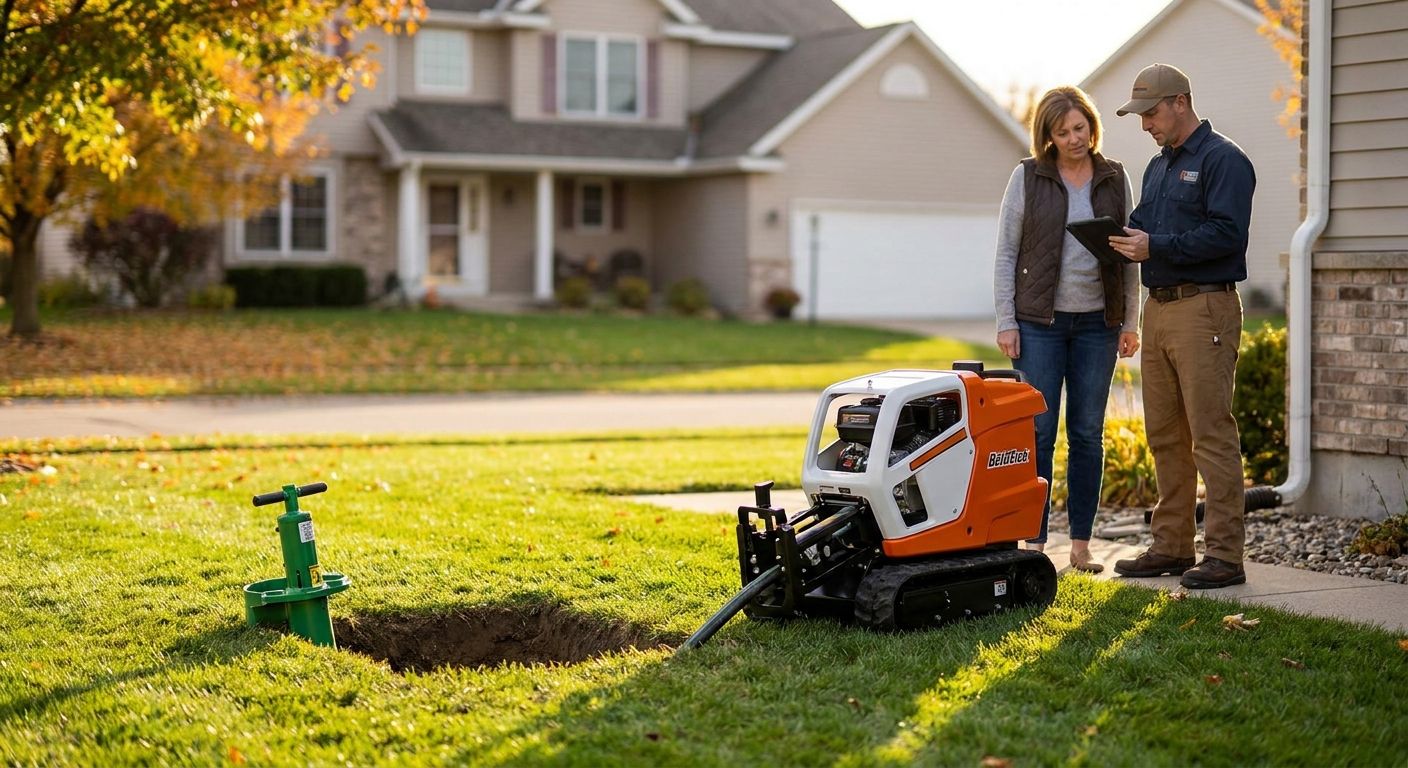
- Ask which access points the job needs and where they'll be dug. Trenchless still means small excavation, and a contractor who says "zero digging" for pipe bursting isn't describing the real job.
- Confirm licensing and permit handling for sewer work in Sacramento. Sewer line permits and inspections are standard requirements, and a contractor who skips that step is cutting a corner that lands back on the homeowner.
Flores Precision Plumbing runs camera inspections as the first step on every sewer line call, which is what actually determines whether CIPP lining, pipe bursting, or a spot repair is the right trenchless sewer repair for a given line -- not a guess based on the home's age alone.
Get a sewer line camera inspection
See the actual pipe condition before choosing a trenchless method.
FAQ
What is the best trenchless sewer repair method for homeowners in 2026?
CIPP lining is the best trenchless sewer repair for most homeowners in 2026 because it fixes cracked or root-damaged pipe without a full trench and carries a roughly 50-year service rating. Pipe bursting is the better call when the line has collapsed sections rather than just cracking.
How much does trenchless sewer repair cost in 2026?
Trenchless sewer repair typically runs $80 to $250 per linear foot in 2026, depending on pipe length, depth, and access. A single-access CIPP job on a standard residential line usually lands toward the lower end of that range.
Is trenchless sewer repair better than traditional dig-and-replace?
Trenchless sewer repair is better when the goal is avoiding damage to landscaping, driveways, or slabs, since it uses one or two small access pits instead of a full trench. Traditional excavation still makes sense when the pipe is too degraded for lining or bursting to work.
How long does trenchless sewer repair take?
A single-access CIPP lining job commonly finishes in one day once the camera inspection and access pit are done. Pipe bursting jobs with two access points can take longer depending on line length and depth.
Does trenchless sewer repair work on collapsed pipes?
Lining methods like CIPP do not work on fully collapsed pipe because there's no intact host pipe to coat. Pipe bursting is the trenchless method built for collapsed or severely damaged lines, since it replaces the pipe rather than lining it.
Will trenchless sewer repair reduce my pipe's water flow capacity?
Slip lining reduces interior diameter because it pushes a smaller pipe inside the old one, which can matter on lines already near capacity. CIPP lining and pipe bursting generally preserve or can even increase the original diameter.
How do I know which trenchless method my sewer line needs?
A camera inspection is the only reliable way to know, since it shows whether the damage is a crack, root intrusion, an offset joint, or a full collapse. Any trenchless sewer repair quote given without one is a guess, not a diagnosis.
Can trenchless sewer repair fix tree root damage?
CIPP lining fixes root-cracked pipe effectively because the cured liner forms a jointless barrier roots can't penetrate. Spot repair also works if the root intrusion is limited to one section rather than scattered along the line.
One last thing
The detail most homeowners miss: a liner or burst-replacement pipe is only as good as the pits dug to install it, and a contractor rushing the access-point work to save a few hours is the most common reason a trenchless sewer repair underperforms its rated lifespan. Ask how the access pits get backfilled and compacted, not just how the pipe gets fixed.